
Canada Moves Closer to Language Testing for Certain International Mobility Program Work Permit Applicants, With a Canada Gazette Pre-Publication Targeted for Spring or Summer 2026
A regulatory proposal that would introduce language testing for certain International Mobility Program (IMP) work permit applicants is moving closer to formal publication, according to Immigration, Refugees and Citizenship Canada (IRCC). The department's Forward Regulatory Plan, in a page update dated April 7, 2026, now sets a target of spring or summer 2026 for pre-publication of the proposed amendments in Part I of the Canada Gazette, to be followed by a 30-day public comment period. The initiative was first listed in the Forward Regulatory Plan on July 2, 2025, and has since cleared two rounds of stakeholder engagement — consultations with provinces and territories in February 2025 and with private-sector stakeholders in November 2025 — meaning it is no longer a preliminary entry in a federal planning document. The proposal would amend the Immigration and Refugee Protection Regulations to authorize IRCC to require applicants to submit language proficiency test results from a designated third-party organization, with the stated aim of improving the reliability, transparency, and efficiency of language assessments under the IMP. The amendment is not yet in force, no regulatory text is public, and IRCC has not confirmed which IMP streams will be affected, which tests will be accepted, what minimum scores will apply, what exemptions may exist, or when the rule would take effect. Spousal open work permits (SOWPs) are not named by IRCC but are widely regarded by immigration practitioners as the category most likely to be affected. Until the regulatory text is published, no applicant is required to take a language test as a result of this proposal.
05/21/2026

Canada Tightens Temporary Foreign Worker Policy: 26 Major Cities Halt Processing of Low-Wage LMIA Applications
On July 11, the Canadian government updated its list of restricted regions for the Temporary Foreign Worker Program (TFWP). According to the latest directive, 26 Census Metropolitan Areas (CMAs) across the country will suspend the processing of "low-wage stream" Labour Market Impact Assessment (LMIA) applications due to unemployment rates at or exceeding the 6% threshold. This measure is a continuation of a policy announced by the federal government in early 2024, aimed at protecting job opportunities for local residents in areas with high unemployment. The expansion of this list, which includes major immigration destinations like Toronto and Vancouver, undoubtedly has profound implications for many foreign nationals and their employers seeking to obtain or extend work permits for low-wage positions.
07/12/2025
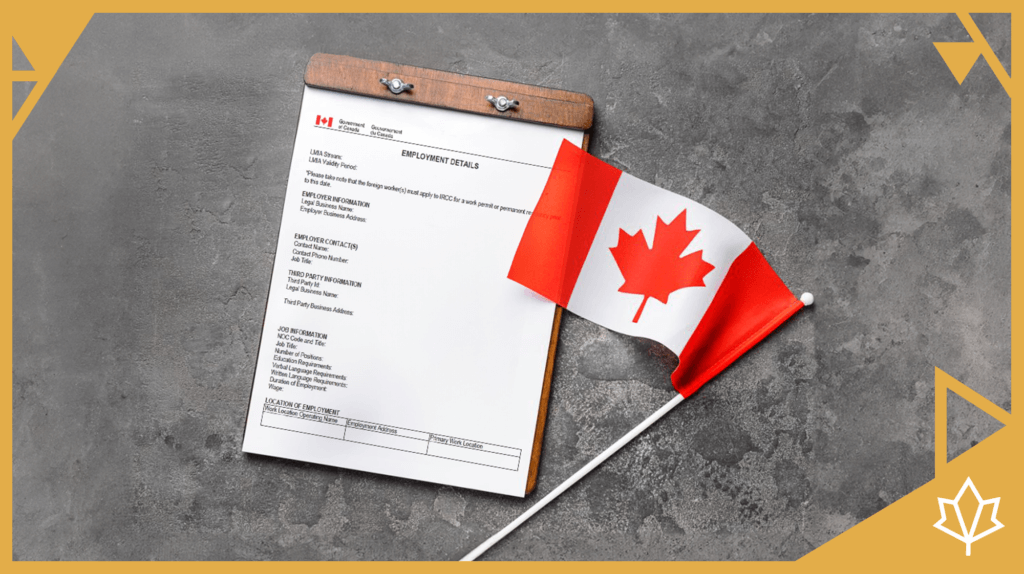
2024 Canadian Immigration Policy Review — Changes to LMIA-Exempt Work Permits
In 2024, the Canadian federal government introduced several adjustments to its Labour Market Impact Assessment (LMIA)-exempt work permit policies. These changes encompass Spousal Open Work Permits (SOWP), New work permit for PNP nominee candidates, Updated instructions regarding ICTs under the IMP and more, aimed at optimizing immigration structures and managing the proportion of temporary residents. Below is a professional analysis of the key policy changes and their implications.
01/13/2025

Canada Tightens Intra-Company Transferee Work Permit Guidelines
On October 3, 2024, Immigration, Refugees and Citizenship Canada (IRCC) released updated guidelines concerning the Intra-Company Transferee (ICT) work permit category. These revisions introduce a more restrictive interpretation of the ICT category, significantly impacting foreign companies seeking to establish or expand operations in Canada.
10/18/2024