
Newfoundland and Labrador Opts Into Federal Rural TFWP Policy, Lifting Low-Wage Foreign Worker Cap to 15%
Newfoundland and Labrador has become the latest province to opt into the federal government's temporary public policy giving rural employers more flexibility to hire low-wage temporary foreign workers under the Temporary Foreign Worker Program (TFWP), according to a federal webpage update on June 2. The policy, in force since April 1, 2026, will see Newfoundland and Labrador adopt both available measures across all sectors: eligible rural employers may retain their existing share of low-wage temporary foreign workers even where it already exceeds the 10% cap, and may apply a 15% cap rather than the standard 10% on the proportion of low-wage positions filled by foreign workers. The measures take effect provincially on June 11 and are expected to remain in place until March 31, 2027. Only employers located outside Statistics Canada–defined census metropolitan areas qualify, and those that fail to meet all regular TFWP requirements—including proving efforts to recruit Canadian citizens and permanent residents first—are excluded; British Columbia, Manitoba, New Brunswick, Nova Scotia and Quebec have already opted in, while Alberta and Nunavut are not participating.
06/04/2026

Canada Moves Closer to Language Testing for Certain International Mobility Program Work Permit Applicants, With a Canada Gazette Pre-Publication Targeted for Spring or Summer 2026
A regulatory proposal that would introduce language testing for certain International Mobility Program (IMP) work permit applicants is moving closer to formal publication, according to Immigration, Refugees and Citizenship Canada (IRCC). The department's Forward Regulatory Plan, in a page update dated April 7, 2026, now sets a target of spring or summer 2026 for pre-publication of the proposed amendments in Part I of the Canada Gazette, to be followed by a 30-day public comment period. The initiative was first listed in the Forward Regulatory Plan on July 2, 2025, and has since cleared two rounds of stakeholder engagement — consultations with provinces and territories in February 2025 and with private-sector stakeholders in November 2025 — meaning it is no longer a preliminary entry in a federal planning document. The proposal would amend the Immigration and Refugee Protection Regulations to authorize IRCC to require applicants to submit language proficiency test results from a designated third-party organization, with the stated aim of improving the reliability, transparency, and efficiency of language assessments under the IMP. The amendment is not yet in force, no regulatory text is public, and IRCC has not confirmed which IMP streams will be affected, which tests will be accepted, what minimum scores will apply, what exemptions may exist, or when the rule would take effect. Spousal open work permits (SOWPs) are not named by IRCC but are widely regarded by immigration practitioners as the category most likely to be affected. Until the regulatory text is published, no applicant is required to take a language test as a result of this proposal.
05/21/2026

Canada Eases Hiring Limits for Low-Wage Temporary Foreign Workers in Rural Areas
The Canadian federal government has announced a temporary easing of rules for rural employers using the low-wage stream of the Temporary Foreign Worker Program (TFWP) from April 1, 2026, to March 31, 2027. Under the new policy, eligible rural employers in participating provinces and territories will not only be allowed to maintain their current number of low-wage temporary foreign workers, but will also be able to increase the cap on these workers from 10% to 15% of their total workforce. The move is being seen as a targeted policy adjustment aimed at addressing persistent labour shortages in rural and remote communities. However, the measure will apply only in provinces and territories that choose to participate, and the federal government has not yet released a list of those jurisdictions.
03/14/2026

Deep Dive into Canada’s Post-Graduation Work Permit (PGWP): Avoiding Common Pitfalls and Mastering New Policy Requirements
For the vast majority of international students in Canada, the Post-Graduation Work Permit (PGWP) serves as a critical bridge to permanent residency. However, even applicants familiar with basic eligibility criteria may face obstacles by overlooking subtle nuances within the internal assessment standards of Immigration, Refugees and Citizenship Canada (IRCC). According to internal operational instructions used by IRCC officers, the success of an application often hinges on details that are frequently neglected, including the precise application window, the calculation of study permit validity, the accurate declaration of Designated Learning Institutions (DLIs), and proof of continuous full-time student status. Furthermore, with the implementation of new policies on November 1, 2024, language proficiency scores and field-of-study requirements have become new focal points for review. This article combines internal immigration documents with the latest policy updates to comprehensively outline the critical factors applicants must consider when applying for a PGWP, helping to mitigate risks and improve approval probabilities.
02/14/2026

IRCC Confirms Freeze on PGWP-Eligible Field of Study List for 2026
Immigration, Refugees and Citizenship Canada (IRCC) officially confirmed on January 15, 2026, that it will freeze the list of educational programs eligible for the Post-Graduation Work Permit (PGWP) for the entirety of 2026, with no updates or adjustments scheduled. This means that for the remainder of the year, there will be no additions or removals to the existing list of eligible fields. Previously, the government had indicated in 2025 a plan to overhaul the list in "early 2026," but the latest announcement indicates this plan has been put on hold. For international students currently planning to apply for a PGWP, this policy shift provides increased certainty.
01/16/2026

Unlocking the Career Door for International Students in Canada: Essential Guide to Applying for the Post-Graduation Work Permit (PGWP)
For many international students aspiring to work and settle in Canada, obtaining a Post-Graduation Work Permit (PGWP) is a crucial first step. Immigration, Refugees and Citizenship Canada (IRCC) clearly states that PGWP eligibility hinges on studying at a qualified Designated Learning Institution (DLI) and enrolling in a PGWP-eligible program. Notably, beginning November 1, 2024, graduates at certain study levels will face new language proficiency and field of study restrictions. This report provides a detailed interpretation of IRCC's relevant regulations, guiding international students on how to choose schools and programs correctly to ensure successful PGWP acquisition.
05/12/2025

2025 Canada International Student Transfer Policy: Comprehensive Analysis
Starting in 2025, Immigration, Refugees, and Citizenship Canada (IRCC) has introduced a series of new regulations for international student transfers, clarifying situations that require reapplication for study permits and outlining how to maintain eligibility for PGWP after transferring. Notably, IRCC has also implemented temporary transition measures for students transferring between January and May 2025, allowing them to start at their new institution before the new permit is approved. This report provides an in-depth analysis of application requirements, procedures, fees, and PGWP considerations.
01/17/2025
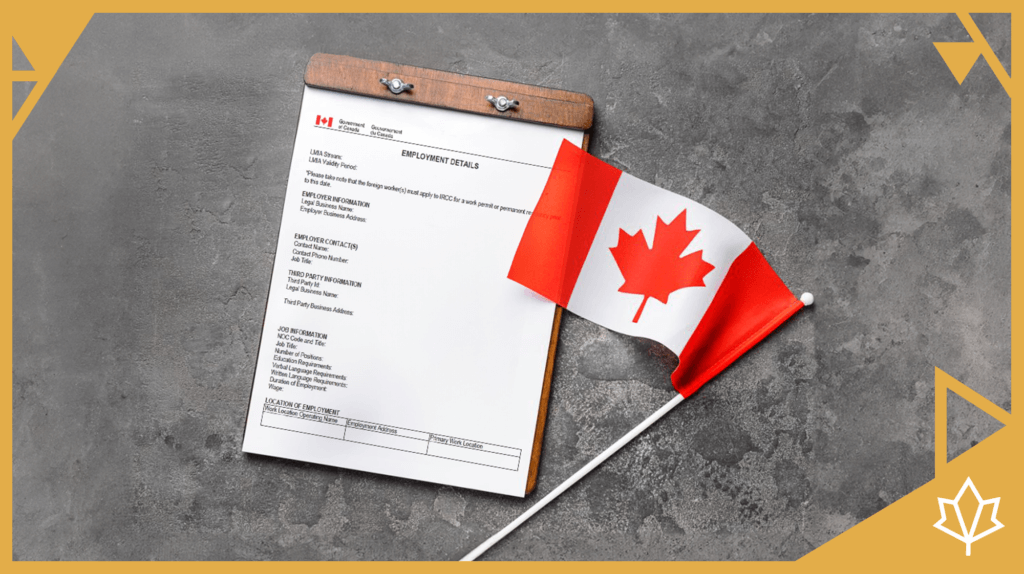
2024 Canadian Immigration Policy Review — Changes to LMIA-Exempt Work Permits
In 2024, the Canadian federal government introduced several adjustments to its Labour Market Impact Assessment (LMIA)-exempt work permit policies. These changes encompass Spousal Open Work Permits (SOWP), New work permit for PNP nominee candidates, Updated instructions regarding ICTs under the IMP and more, aimed at optimizing immigration structures and managing the proportion of temporary residents. Below is a professional analysis of the key policy changes and their implications.
01/13/2025

Early Childhood Education, Child Development, and Other Education-Related Programs Included in the Post-Graduation Work Permit (PGWP) Eligibility
The Immigration, Refugees, and Citizenship Canada (IRCC) recently announced an expansion of the Post-Graduation Work Permit (PGWP) eligible programs, adding several new education-related fields. This adjustment provides international students with more opportunities for employment and immigration in Canada and supports the long-term labor market needs of the country.
01/08/2025

International Students at the University of Waterloo Outearn Domestic Graduates, Leading Employment Success
A recent study revealed that international students at the University of Waterloo earn significantly higher average salaries after graduation compared to domestic students. These earnings surpass not only their peers at the university but also the national average. The study attributes this success to degrees in technology and engineering and the university’s robust co-op program. Furthermore, approximately 70% of international students choose to become permanent residents, highlighting their recognition of opportunities for long-term development in Canada.
12/13/2024