
Canada Pauses New Intake for the Parents and Grandparents Program; Up to 15,000 to Be Approved for Permanent Residence in 2026
On July 15, 2026, Immigration, Refugees and Citizenship Canada (IRCC) announced that it is pausing new intake for the Parents and Grandparents Program (PGP): until further notice, it will not accept new interest-to-sponsor forms and will not issue invitations to potential sponsors. At the same time, the department said it will continue processing applications already in its inventory and plans to approve up to 15,000 people for permanent residence (PR) through the program in 2026, a figure aligned with the 2026-2028 Immigration Levels Plan. The move extends a freeze on new applications that has been in effect since early 2026 and lowers the program's annual admissions target from 24,500 in 2025 to 15,000, a cut of roughly 39%. IRCC emphasized that family reunification remains a pillar of Canada's immigration system, and that families shut out of the PGP for now can still reunite through the super visa, which permits stays of up to five years per entry, is valid for multiple entries for up to 10 years, and has recently seen both its insurance and income requirements relaxed.
07/16/2026

Quebec to Reopen Family Sponsorship Intake on July 2, with Adult Dependent Children No Longer Counted Against the Cap
The Ministère de l'Immigration, de la Francisation et de l'Intégration (MIFI) has announced that it will reopen intake for family sponsorship applications on July 2, 2026, after the previous round reached its limit, setting a new two-year cap of up to 15,700 sponsorship undertakings, of which 13,300 are reserved for the spousal category and 2,400 for parents and grandparents. Compared with the first round of 13,000 places opened in 2024, the new total is roughly 20% higher, and for the first time adult dependent children aged 18 and older are excluded from the cap. MIFI says it will prioritize earlier-filed applications once intake reopens, and any applications received beyond the limit will not be processed, will be returned as submitted, and will have their fees refunded. Because family reunification for those settling in Quebec follows a process distinct from the rest of Canada, applicants intending to settle in the province must first apply to MIFI for a Quebec Selection Certificate (CSQ) before they can apply to Immigration, Refugees and Citizenship Canada (IRCC) for permanent residence.
06/24/2026

Quebec Confirms PEQ Will Reopen July 2, With No Cap on First Intake Period
Quebec's Ministry of Immigration, Francisation and Integration (MIFI) confirmed in a press release on June 10, 2026 that the Quebec Experience Program (PEQ) will reopen on July 2, 2026 for a two-year window running to July 2, 2028; the first intake period starts at 8:30 a.m. Eastern on July 2 and runs until October 31, 2026, with no cap on applications, and is open to the two groups who already qualified when the program was abolished on November 19, 2025 -- Quebec graduates and temporary foreign workers -- under the same eligibility criteria that applied at the time of the suspension and abolition. The government says that over the remainder of the planning period, it intends to issue a roughly equivalent number of Quebec Selection Certificates (CSQs) between the PEQ and the Skilled Worker Selection Program (PSTQ); until October 31, PSTQ invitations will be reduced accordingly and will mainly target candidates in TEER 4 and 5 occupations and those with less than two years of work experience. MIFI stresses that the reinstatement is temporary, expects 8,000 to 12,000 applications in the first period, and confirms that once the PEQ is finally retired, the permanent selection of skilled workers will be consolidated under the PSTQ.
06/11/2026

Quebec Issues 2,549 Invitations in Fifth PSTQ Draw of 2026, Targeting All Four Streams
Quebec held its fifth skilled-worker selection round of 2026 on June 4, issuing a total of 2,549 invitations to apply (ITAs) for permanent selection across all four streams of its Skilled Worker Selection Program (PSTQ), with every stream drawn from the Arrima pool at 6:00 a.m. on June 1. Stream 1, for highly qualified and specialized skills, led the round with 1,094 invitations—about 42.9% of the total—followed by Stream 2 (intermediate and manual skills) with 756, Stream 3 (regulated professions) with 677, and Stream 4 (exceptional talent) with 22; all streams required candidates to be currently living in Quebec and to meet specific French-language thresholds, continuing the province's recent pattern of favouring workers already established locally and prioritizing French proficiency and in-demand occupations, and marking another sign of an accelerating pace after Quebec issued 2,910 invitations across all of 2025.
06/09/2026

Canada Changes How Super Visa Income Requirements for Parents and Grandparents Are Calculated, with New Rules Taking Effect on March 31
The Canadian federal government announced in Ottawa on March 20, 2026, that it will change how income requirements are calculated for the Parents and Grandparents Super Visa starting March 31, 2026. The new policy, to be implemented by Immigration, Refugees and Citizenship Canada (IRCC), is intended to make it easier for more families to qualify while ensuring that family members receive adequate financial support during their stay in Canada. Under the updated rules, a host’s income will no longer be assessed based only on the tax year immediately preceding the application. Instead, hosts may qualify by meeting the requirement in either of the two preceding tax years. In addition, if the host and co-signer have already met the required minimum percentage of income, the income of the visiting parent or grandparent may also be used to make up the remaining amount. IRCC said that all applications already in processing as of March 31, 2026, as well as those submitted on or after that date, will be assessed under the new criteria.
03/21/2026

Deep Dive into Canada’s Post-Graduation Work Permit (PGWP): Avoiding Common Pitfalls and Mastering New Policy Requirements
For the vast majority of international students in Canada, the Post-Graduation Work Permit (PGWP) serves as a critical bridge to permanent residency. However, even applicants familiar with basic eligibility criteria may face obstacles by overlooking subtle nuances within the internal assessment standards of Immigration, Refugees and Citizenship Canada (IRCC). According to internal operational instructions used by IRCC officers, the success of an application often hinges on details that are frequently neglected, including the precise application window, the calculation of study permit validity, the accurate declaration of Designated Learning Institutions (DLIs), and proof of continuous full-time student status. Furthermore, with the implementation of new policies on November 1, 2024, language proficiency scores and field-of-study requirements have become new focal points for review. This article combines internal immigration documents with the latest policy updates to comprehensively outline the critical factors applicants must consider when applying for a PGWP, helping to mitigate risks and improve approval probabilities.
02/14/2026

IRCC Confirms Freeze on PGWP-Eligible Field of Study List for 2026
Immigration, Refugees and Citizenship Canada (IRCC) officially confirmed on January 15, 2026, that it will freeze the list of educational programs eligible for the Post-Graduation Work Permit (PGWP) for the entirety of 2026, with no updates or adjustments scheduled. This means that for the remainder of the year, there will be no additions or removals to the existing list of eligible fields. Previously, the government had indicated in 2025 a plan to overhaul the list in "early 2026," but the latest announcement indicates this plan has been put on hold. For international students currently planning to apply for a PGWP, this policy shift provides increased certainty.
01/16/2026
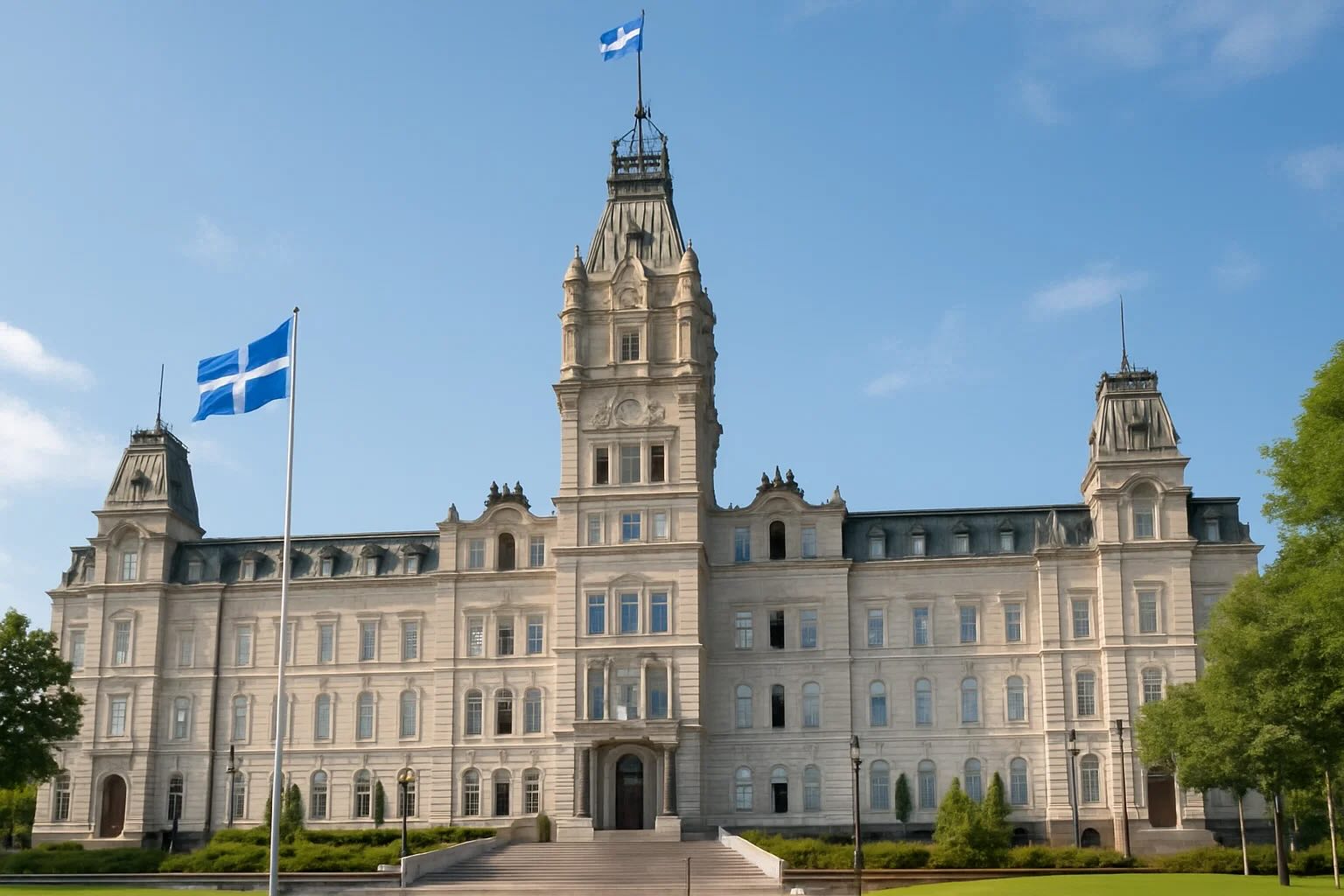
Quebec Announces Closure of Experience Program, Tightening Pathways to Permanent Residence
On November 6, 2025, the Quebec government announced that it will permanently close one of its most popular pathways to permanent residence—the Quebec Experience Program (Programme de l’expérience québécoise, PEQ)—which includes the Quebec Graduates Stream and the Temporary Foreign Workers Stream. Both streams will officially end on November 19, 2025. At the same time, three permanent immigration pilot programs will also conclude as scheduled on January 1, 2026. This means that, going forward, foreign workers and graduates seeking to obtain permanent residence in Quebec will only be able to apply through the Skilled Worker Selection Program (PSTQ).
11/08/2025

Quebec Expands PSTQ Invitations, Issuing 273 ITAs in First-Ever Draw for Intermediate and Manual Skills Stream
On July 31, 2025, Quebec’s Ministry of Immigration, Francization and Integration (MIFI) issued 273 invitations to apply for permanent selection through its Skilled Worker Selection Program (PSTQ). This draw is particularly significant as it is the first time the province has specifically targeted candidates under the "Intermediate and Manual Skills" stream, marking a steady expansion of the program's scope. The initiative aims to provide an immigration pathway for workers already in Quebec who possess specific work experience and French-language skills, in order to address labor shortages in various regions of the province.
08/18/2025

Super Visa: Canada's 'Fast Track' Alternative for Parent and Grandparent Reunification
For many families hoping to reunite with parents or grandparents in Canada, the limited lottery for the Parents and Grandparents Program (PGP) presents a significant hurdle. This article provides an in-depth analysis of Canada's Super Visa program, which serves as an attractive alternative by offering a long-term visitor visa with year-round applications. The report details the core differences between the Super Visa and the PGP, outlines eligibility criteria and application procedures, and offers professional strategies to address common reasons for refusal, helping applicants increase their chances of success.
08/17/2025