
Canada Pauses New Intake for the Parents and Grandparents Program; Up to 15,000 to Be Approved for Permanent Residence in 2026
On July 15, 2026, Immigration, Refugees and Citizenship Canada (IRCC) announced that it is pausing new intake for the Parents and Grandparents Program (PGP): until further notice, it will not accept new interest-to-sponsor forms and will not issue invitations to potential sponsors. At the same time, the department said it will continue processing applications already in its inventory and plans to approve up to 15,000 people for permanent residence (PR) through the program in 2026, a figure aligned with the 2026-2028 Immigration Levels Plan. The move extends a freeze on new applications that has been in effect since early 2026 and lowers the program's annual admissions target from 24,500 in 2025 to 15,000, a cut of roughly 39%. IRCC emphasized that family reunification remains a pillar of Canada's immigration system, and that families shut out of the PGP for now can still reunite through the super visa, which permits stays of up to five years per entry, is valid for multiple entries for up to 10 years, and has recently seen both its insurance and income requirements relaxed.
07/16/2026

Quebec to Reopen Family Sponsorship Intake on July 2, with Adult Dependent Children No Longer Counted Against the Cap
The Ministère de l'Immigration, de la Francisation et de l'Intégration (MIFI) has announced that it will reopen intake for family sponsorship applications on July 2, 2026, after the previous round reached its limit, setting a new two-year cap of up to 15,700 sponsorship undertakings, of which 13,300 are reserved for the spousal category and 2,400 for parents and grandparents. Compared with the first round of 13,000 places opened in 2024, the new total is roughly 20% higher, and for the first time adult dependent children aged 18 and older are excluded from the cap. MIFI says it will prioritize earlier-filed applications once intake reopens, and any applications received beyond the limit will not be processed, will be returned as submitted, and will have their fees refunded. Because family reunification for those settling in Quebec follows a process distinct from the rest of Canada, applicants intending to settle in the province must first apply to MIFI for a Quebec Selection Certificate (CSQ) before they can apply to Immigration, Refugees and Citizenship Canada (IRCC) for permanent residence.
06/24/2026

Newfoundland and Labrador Opts Into Federal Rural TFWP Policy, Lifting Low-Wage Foreign Worker Cap to 15%
Newfoundland and Labrador has become the latest province to opt into the federal government's temporary public policy giving rural employers more flexibility to hire low-wage temporary foreign workers under the Temporary Foreign Worker Program (TFWP), according to a federal webpage update on June 2. The policy, in force since April 1, 2026, will see Newfoundland and Labrador adopt both available measures across all sectors: eligible rural employers may retain their existing share of low-wage temporary foreign workers even where it already exceeds the 10% cap, and may apply a 15% cap rather than the standard 10% on the proportion of low-wage positions filled by foreign workers. The measures take effect provincially on June 11 and are expected to remain in place until March 31, 2027. Only employers located outside Statistics Canada–defined census metropolitan areas qualify, and those that fail to meet all regular TFWP requirements—including proving efforts to recruit Canadian citizens and permanent residents first—are excluded; British Columbia, Manitoba, New Brunswick, Nova Scotia and Quebec have already opted in, while Alberta and Nunavut are not participating.
06/04/2026

Canada Changes How Super Visa Income Requirements for Parents and Grandparents Are Calculated, with New Rules Taking Effect on March 31
The Canadian federal government announced in Ottawa on March 20, 2026, that it will change how income requirements are calculated for the Parents and Grandparents Super Visa starting March 31, 2026. The new policy, to be implemented by Immigration, Refugees and Citizenship Canada (IRCC), is intended to make it easier for more families to qualify while ensuring that family members receive adequate financial support during their stay in Canada. Under the updated rules, a host’s income will no longer be assessed based only on the tax year immediately preceding the application. Instead, hosts may qualify by meeting the requirement in either of the two preceding tax years. In addition, if the host and co-signer have already met the required minimum percentage of income, the income of the visiting parent or grandparent may also be used to make up the remaining amount. IRCC said that all applications already in processing as of March 31, 2026, as well as those submitted on or after that date, will be assessed under the new criteria.
03/21/2026

Canada Eases Hiring Limits for Low-Wage Temporary Foreign Workers in Rural Areas
The Canadian federal government has announced a temporary easing of rules for rural employers using the low-wage stream of the Temporary Foreign Worker Program (TFWP) from April 1, 2026, to March 31, 2027. Under the new policy, eligible rural employers in participating provinces and territories will not only be allowed to maintain their current number of low-wage temporary foreign workers, but will also be able to increase the cap on these workers from 10% to 15% of their total workforce. The move is being seen as a targeted policy adjustment aimed at addressing persistent labour shortages in rural and remote communities. However, the measure will apply only in provinces and territories that choose to participate, and the federal government has not yet released a list of those jurisdictions.
03/14/2026

Super Visa: Canada's 'Fast Track' Alternative for Parent and Grandparent Reunification
For many families hoping to reunite with parents or grandparents in Canada, the limited lottery for the Parents and Grandparents Program (PGP) presents a significant hurdle. This article provides an in-depth analysis of Canada's Super Visa program, which serves as an attractive alternative by offering a long-term visitor visa with year-round applications. The report details the core differences between the Super Visa and the PGP, outlines eligibility criteria and application procedures, and offers professional strategies to address common reasons for refusal, helping applicants increase their chances of success.
08/17/2025

Success is in the Details: A Guide to Navigating Canada's PGP Application and Avoiding 5 Critical Pitfalls
Canada's Parents and Grandparents Program (PGP) is a vital pathway for many families to reunite. However, after receiving an Invitation to Apply (ITA), common mistakes in the application process can derail an applicant's efforts. This article provides a detailed analysis of the five most common application "pitfalls," including incomplete applications, replying to no-reply emails, inconsistent information, improper form signing, and omitting periods of unemployment. It also offers specific strategies to avoid them, aiming to help applicants increase their chances of success and smoothly complete what may be a once-in-a-lifetime sponsorship opportunity.
07/30/2025

Canada's 2025 Parents and Grandparents Program: Income Requirements Increased, Invitations to Continue from 2020 Pool
The Canadian federal government has recently updated the income requirements for sponsors under the 2025 Parents and Grandparents Program (PGP), introducing a significant increase. For a baseline two-person family, the minimum required income for 2024 has risen to $47,549, an increase of over $3,000 from the previous year. Sponsors must demonstrate that their income has met or exceeded the set levels for the three preceding tax years (2024, 2023, and 2022). Additionally, the government has confirmed that the 2025 invitations will be drawn from the pool of candidates who expressed interest in 2020, with plans to issue approximately 17,860 invitations to receive 10,000 complete applications. For those unable to apply, the Super Visa remains the primary alternative for long-term family reunification.
07/25/2025

Canada's Parents and Grandparents Program Set to Open for Invitations
Canada's federal government has announced that the highly anticipated Parents and Grandparents Program (PGP) will launch a new round of invitations on July 28, 2025. Over a two-week period, the immigration department will send 17,860 invitations to candidates who submitted an interest to sponsor form in 2020, with the goal of accepting 10,000 complete permanent residence applications. For sponsors who do not receive an invitation this round, or for families who were unable to enter the pool in recent years, the Super Visa remains an important pathway for parents and grandparents to reunite with family in Canada for long-term stays.
07/18/2025
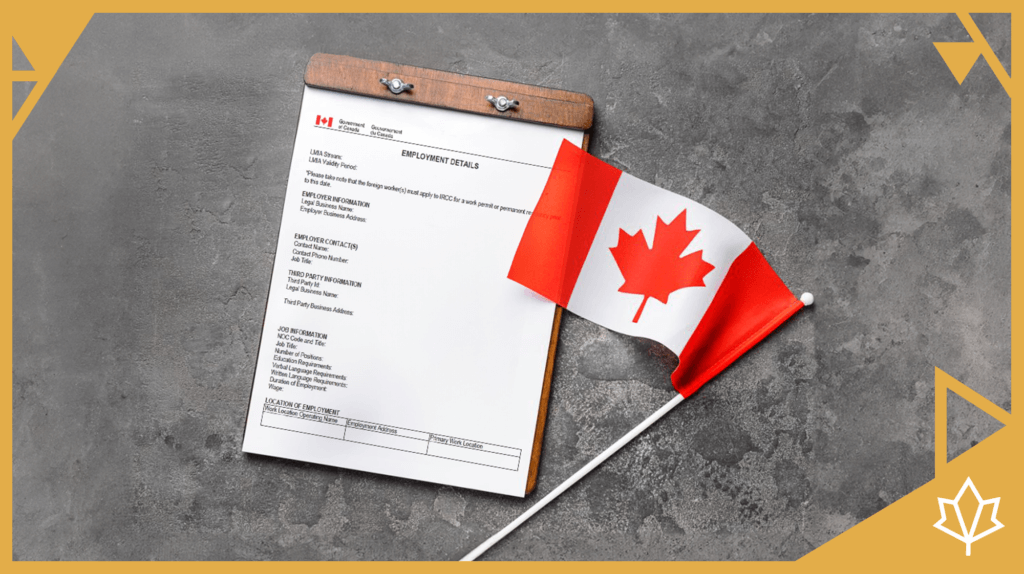
2024 Canadian Immigration Policy Review — Changes to LMIA-Exempt Work Permits
In 2024, the Canadian federal government introduced several adjustments to its Labour Market Impact Assessment (LMIA)-exempt work permit policies. These changes encompass Spousal Open Work Permits (SOWP), New work permit for PNP nominee candidates, Updated instructions regarding ICTs under the IMP and more, aimed at optimizing immigration structures and managing the proportion of temporary residents. Below is a professional analysis of the key policy changes and their implications.
01/13/2025